

Introduction
Running a small business involves many moving parts, and managing finances is one of the most important. Among these financial tasks, invoicing plays a key role in ensuring that you get paid on time. This is where invoice templates for small business become extremely useful. They help you create professional, clear, and consistent invoices without wasting time.
For beginners and even intermediate business owners, invoicing can sometimes feel confusing. Questions like what to include, how to format it, and how to make it look professional are common. Fortunately, invoice templates simplify the process. They provide a ready-made structure that you can customize according to your needs.
Moreover, using templates helps reduce errors and improves your brand image. Instead of creating invoices from scratch every time, you can rely on a consistent system. This not only saves time but also builds trust with clients.
What is Invoice Templates for Small Business?
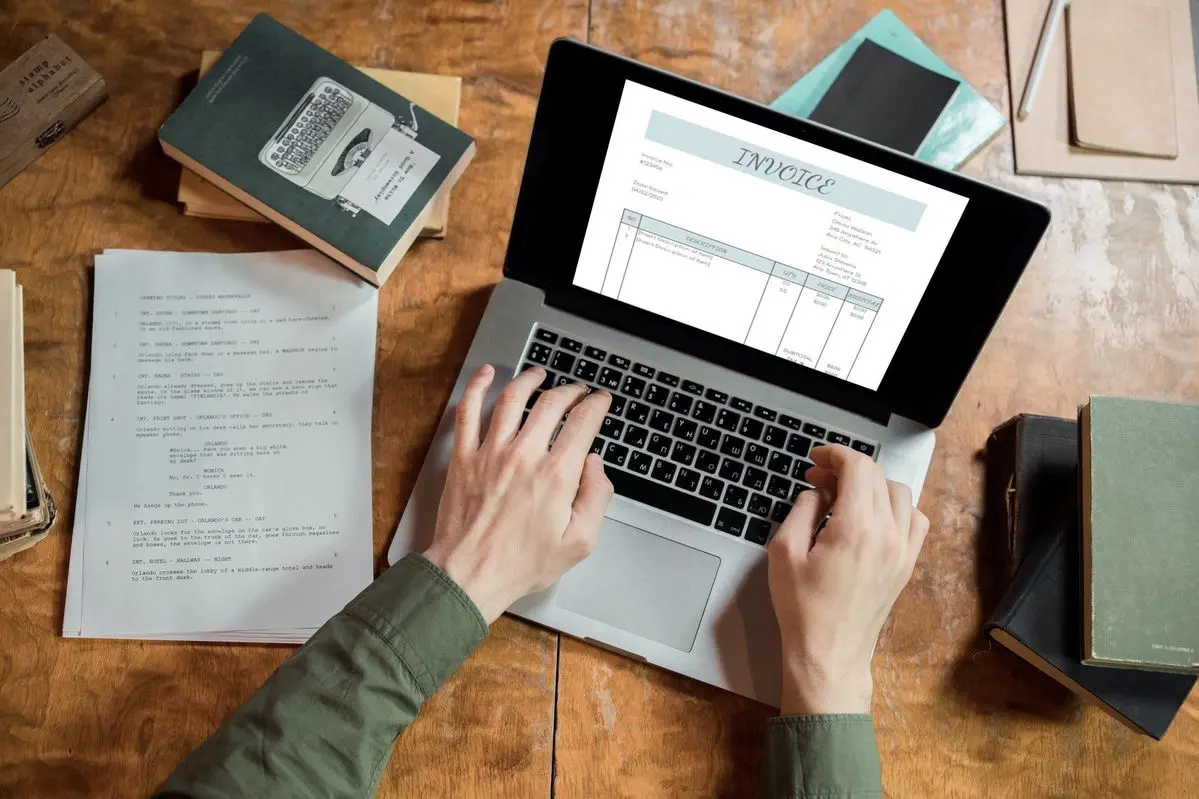
Invoice templates for small business are pre-designed documents that help businesses create invoices quickly and easily. These templates include all the essential sections needed for billing clients, such as company details, customer information, itemized charges, and payment terms.
Instead of designing an invoice from the beginning, you can simply fill in the details within the template. This ensures consistency and professionalism in every invoice you send.
Typically, an invoice template includes the following components:
- Business name and logo
- Contact details
- Invoice number and date
- Client information
- Description of products or services
- Total amount due
- Payment terms and methods
These templates are available in different formats, such as Word, Excel, PDF, or online tools. You can choose the one that suits your workflow.
Why is Invoice Templates for Small Business Important?
Invoice templates for small business are important because they simplify financial management and improve efficiency. Without a proper invoicing system, businesses may struggle with delayed payments, errors, or unprofessional communication.
Here are some key reasons why they matter:
First, they save time. Creating invoices manually for every client can take a lot of effort. Templates allow you to reuse the same structure, making the process faster.
Second, they ensure accuracy. Since all necessary fields are already included, the chances of missing important details are reduced.
Third, they enhance professionalism. A well-designed invoice creates a positive impression on clients and reflects your brand identity.
Additionally, they help with record keeping. Organized invoices make it easier to track payments, manage accounts, and prepare for taxes.
Detailed Step-by-Step Guide
Step 1: Choose the Right Template
Start by selecting a template that fits your business needs. If you deal with multiple products, choose a detailed template. For service-based work, a simpler format may be enough.
Step 2: Add Your Business Details
Include your business name, logo, address, phone number, and email. This helps clients identify who the invoice is from.
Step 3: Insert Client Information
Add the customer’s name, address, and contact details. Make sure everything is accurate to avoid confusion.
Step 4: Assign Invoice Number and Date
Each invoice should have a unique number. This helps with tracking and organization. Also, include the issue date and due date.
Step 5: List Products or Services
Provide a clear description of what you are charging for. Include quantity, price, and total for each item.
Step 6: Calculate Total Amount
Add up all charges and include taxes if applicable. Make sure the final amount is clearly visible.
Step 7: Add Payment Terms
Specify how and when the payment should be made. For example, “Due within 15 days” or “Pay via bank transfer.”
Step 8: Review and Send
Before sending, double-check all details. Once verified, send the invoice to your client through email or print.
Benefits of Invoice Templates for Small Business

- Saves time by reducing manual work
- Ensures consistent and professional design
- Minimizes errors in billing
- Improves payment tracking
- Enhances brand image
- Easy to customize for different clients
- Helps maintain organized financial records
- Suitable for beginners and growing businesses
Disadvantages / Risks
- Limited flexibility in some templates
- Overuse may make invoices look generic
- Errors can repeat if template is incorrect
- May require updates as business grows
- Some templates lack advanced features
Common Mistakes to Avoid
Many small business owners make simple mistakes when using invoice templates. Avoiding these can improve your invoicing process significantly.
One common mistake is missing important details. Always include invoice number, date, and payment terms.
Another issue is incorrect calculations. Even a small error can create confusion and delay payments.
Using outdated templates is also a problem. Make sure your template reflects your current business details and branding.
Additionally, unclear descriptions can lead to disputes. Always explain services or products clearly.
Finally, forgetting to follow up on unpaid invoices can hurt your cash flow. Stay organized and track payments regularly.
FAQs
1. What is the best format for invoice templates?
The best format depends on your needs. Excel is good for calculations, while Word is suitable for simple layouts. PDF is ideal for sharing final invoices.
2. Can I customize invoice templates?
Yes, most invoice templates for small business are fully customizable. You can change colors, fonts, and layout to match your brand.
3. Are free invoice templates reliable?
Free templates can be reliable if they include all essential fields. However, always review them carefully before use.
4. How often should I update my invoice template?
You should update it whenever your business details, pricing, or branding changes.
5. Do invoice templates help in tax preparation?
Yes, organized invoices make it easier to track income and prepare financial records for taxes.
6. Can I use one template for all clients?
Yes, but you may need slight adjustments depending on the type of service or product you offer.
Expert Tips & Bonus Points
To make the most of invoice templates for small business, follow these expert tips.
Keep your design simple and clean. Avoid clutter and focus on clarity.
Use consistent branding. Add your logo and brand colors to create a professional look.
Always set clear payment terms. This reduces confusion and ensures timely payments.
Automate where possible. Many tools allow you to generate invoices quickly using templates.
Maintain a record of all invoices. This helps in tracking payments and managing finances.
Offer multiple payment options. This makes it easier for clients to pay on time.
Double-check every invoice before sending. Small errors can affect your credibility.
Conclusion
Invoice templates for small business are a powerful tool that simplifies billing and improves financial management. Whether you are just starting or already running a growing business, using templates can save time and reduce stress.
They provide a structured and professional way to create invoices, ensuring that all important details are included. This not only helps in maintaining accuracy but also enhances your brand image in front of clients.
While there are a few limitations, the benefits clearly outweigh the drawbacks. By choosing the right template and using it correctly, you can streamline your invoicing process and focus more on growing your business.
