

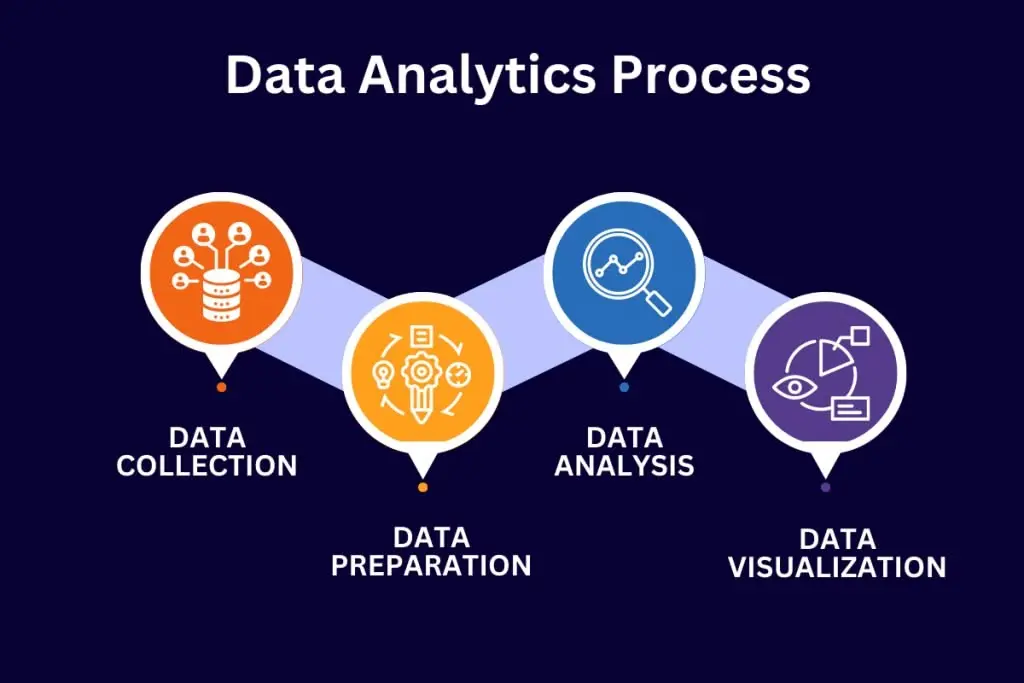
Introduction
Data analysis is one of the most valuable skills in today’s digital world. Whether you run a small business, study in college, or work in an office, understanding data helps you make smarter decisions. For beginners, the concept may seem complex, but once you break it down into simple steps, it becomes much easier to understand.
Data analysis methods for beginners focus on collecting, organizing, and interpreting data in a structured way. Instead of guessing, you rely on facts and patterns. This makes your decisions more accurate and reliable. From tracking sales to studying customer behavior, data analysis plays a key role everywhere.
In this guide, you will learn everything step by step. We will cover the basic concepts, importance, practical methods, tools, and common mistakes. You will also find examples to help you understand better. By the end, you will feel confident in applying data analysis methods for beginners in real-life situations.
What is Data Analysis Methods for Beginners?
Data analysis methods for beginners refer to simple techniques used to examine and understand data. These methods help you turn raw numbers into meaningful insights. Instead of looking at confusing data, you learn how to organize and interpret it step by step.
In simple terms, data analysis involves three main actions:
- Collecting data
- Cleaning and organizing data
- Interpreting the results
For example, imagine you run an online store. You collect data about customer purchases. By analyzing this data, you can find out which products sell the most and which ones need improvement.
These methods are designed for beginners, so they do not require advanced technical skills. With basic tools and practice, anyone can learn them.
Why is Data Analysis Methods for Beginners Important?
Understanding data analysis methods for beginners is important because it helps you make informed decisions. Instead of relying on assumptions, you use actual data to guide your actions.
Here are some key reasons why it matters:
- Better decision-making: Data gives you clear insights
- Problem-solving: Identify issues and find solutions
- Improved performance: Track progress and improve results
- Business growth: Understand customer behavior and trends
For example, if a business notices a drop in sales, data analysis can help find the reason. It could be pricing, marketing, or product quality. Without data, it would be difficult to know the exact cause.
Detailed Step-by-Step Guide
Step 1: Define Your Goal
Before starting, you must know what you want to achieve. This is the most important step in data analysis methods for beginners.
Ask yourself:
- What problem am I solving?
- What question do I want to answer?
Example: You want to know why website traffic is decreasing.
Step 2: Collect Data
Once you have a goal, gather relevant data. Data can come from different sources such as:
- Surveys
- Websites
- Sales records
- Social media
Make sure your data is accurate and relevant to your goal.
Step 3: Clean the Data
Raw data often contains errors or missing values. Cleaning the data is essential.
This step includes:
- Removing duplicates
- Fixing errors
- Filling missing values
Clean data ensures accurate results.
Step 4: Organize the Data
After cleaning, organize your data in a structured format. You can use:
- Tables
- Spreadsheets
- Charts
This makes it easier to understand and analyze.
Step 5: Analyze the Data
Now comes the main step in data analysis methods for beginners.
Some simple analysis techniques include:
- Sorting data
- Finding averages
- Comparing values
- Identifying patterns
Example: Compare sales data from different months to find trends.
Step 6: Interpret Results
After analyzing, you need to understand what the data means.
Ask yourself:
- What patterns do I see?
- What conclusions can I draw?
This step turns data into useful insights.
Step 7: Present the Findings
Finally, present your results in a clear way. Use:
- Charts
- Graphs
- Simple summaries
This helps others understand your analysis easily.
Benefits of Data Analysis Methods for Beginners
- Helps make better decisions based on facts
- Saves time by identifying problems quickly
- Improves efficiency in work and business
- Enhances problem-solving skills
- Provides clear insights into trends and patterns
- Builds confidence in handling data
- Useful in multiple fields like business, education, and marketing
Disadvantages / Risks
- Incorrect data can lead to wrong conclusions
- Time-consuming if not organized properly
- Requires basic learning and practice
- Over-analysis can confuse beginners
- Misinterpretation of data may cause errors
Common Mistakes to Avoid
Many beginners make simple mistakes while learning data analysis methods for beginners. Avoiding these can save time and effort.
- Not defining a clear goal before starting
- Using incomplete or incorrect data
- Skipping data cleaning process
- Ignoring patterns and focusing on random data
- Overcomplicating simple analysis
- Not verifying results
- Misinterpreting data without proper understanding
For example, analyzing sales without cleaning duplicate entries can give wrong results.
FAQs
1. What are data analysis methods for beginners?
Data analysis methods for beginners are simple techniques used to collect, organize, and interpret data. They help in understanding patterns and making informed decisions without advanced skills.
2. Do I need coding skills to start data analysis?
No, beginners can start without coding. Tools like spreadsheets allow you to perform basic analysis easily. Coding can be learned later for advanced tasks.
3. Which tools are best for beginners?
Some beginner-friendly tools include spreadsheets, basic data visualization tools, and simple analytics platforms. These tools help you understand data without complexity.
4. How long does it take to learn data analysis?
It depends on your practice. Basic data analysis methods for beginners can be learned in a few weeks with regular practice. Advanced skills take more time.
5. What type of data can I analyze?
You can analyze different types of data such as sales data, customer data, website traffic, survey results, and more. The method depends on your goal.
6. Why is data cleaning important?
Data cleaning ensures accuracy. Without cleaning, errors in data can lead to incorrect conclusions, which affects decision-making.
Expert Tips & Bonus Points
To improve your skills in data analysis methods for beginners, follow these expert tips:
- Start with small datasets to build confidence
- Focus on understanding patterns instead of memorizing formulas
- Practice regularly with real-life examples
- Use visual charts to simplify analysis
- Always double-check your data
- Keep learning new techniques step by step
- Stay organized while working with data
Bonus Tip: Try analyzing daily activities, such as tracking expenses. This helps you practice data analysis in real life.
Conclusion
Data analysis methods for beginners may seem challenging at first, but with the right approach, anyone can learn them. By following simple steps like defining goals, collecting data, cleaning it, and analyzing patterns, you can turn raw information into meaningful insights.
These methods are useful in every field, from business to education. They help you make smarter decisions, solve problems, and improve performance. The key is to start small, stay consistent, and keep practicing.
Remember, you do not need advanced skills to begin. With basic tools and a clear understanding, you can master data analysis methods for beginners over time. Avoid common mistakes, stay curious, and focus on learning step by step.
